Decoding the psychology of competitive and cooperative player behavior.

JEP's Graveservice is an analytical blog exploring the profound psychological and social differences between PvP vs. PvE psychology. We examine the roots of aggression in online games, the foundations of cooperative behavior, and how players and social dynamics shape entirely distinct virtual experiences.

Our Blog

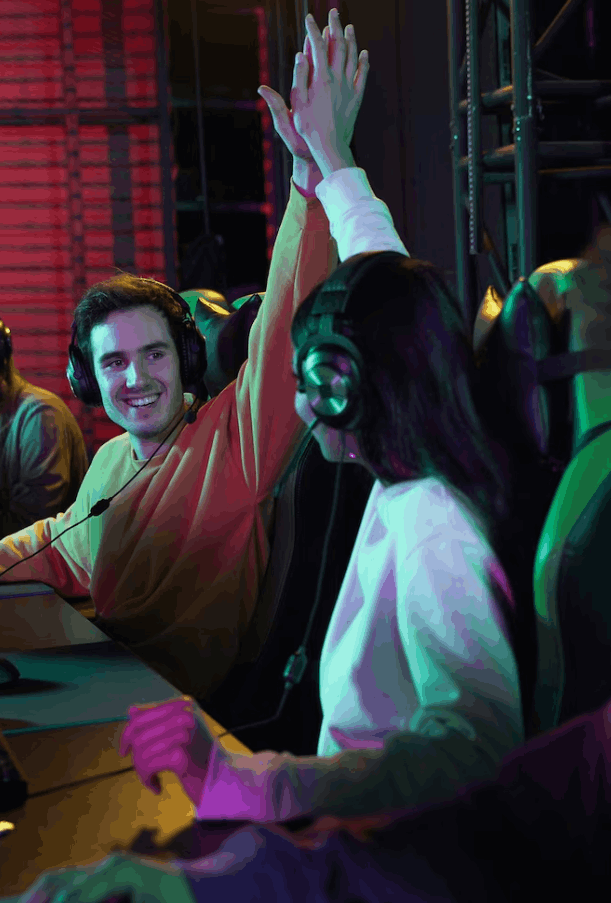
The Adrenaline and Anxiety Loop: Understanding Neurological Responses in High-Stakes PvP

This article delves into the neurochemical landscape of competitive gameplay, examining how facing human opponents triggers fight-or-flight responses and intense dopamine spikes. We will analyze how the unpredictability of human strategy creates unique stress in PvP, leading to heightened arousal and cognitive states not found in predictable PvE environments. Understanding this physiological basis is key to explaining the intense emotions, addictive nature, and specific aggression in online games associated with player-versus-player conflict.

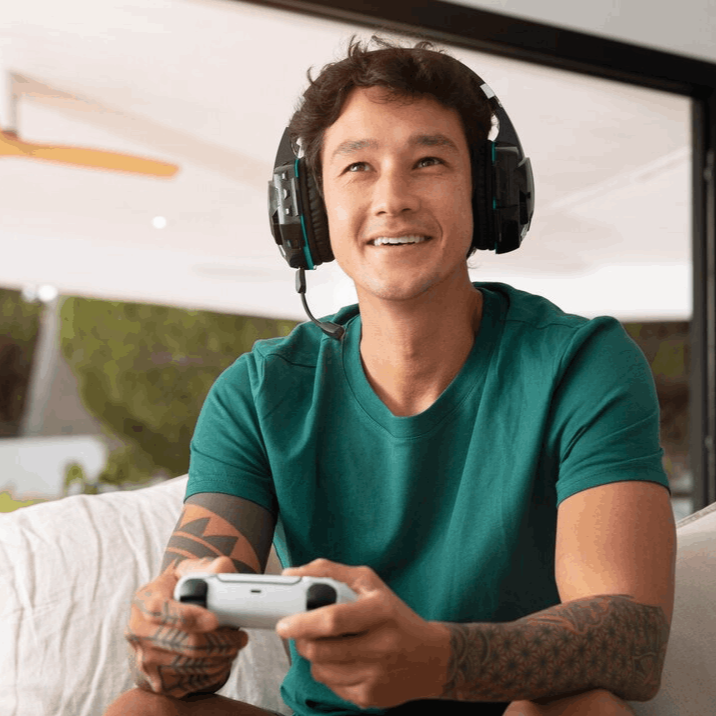
The Symphony of Coordination: How Shared Goals Forge Deep Cooperative Bonds in PvE

Moving to the opposite end of the spectrum, this piece explores the psychology of successful teamplay behavior in player-versus-environment content. We will investigate how overcoming AI-controlled challenges requires and fosters cooperative behavior, trust, and clear role delegation within groups. The article will detail how this environment cultivates a sense of comfort in PvE, security, and collective achievement, creating social dynamics focused on support and mutual success rather than rivalry.
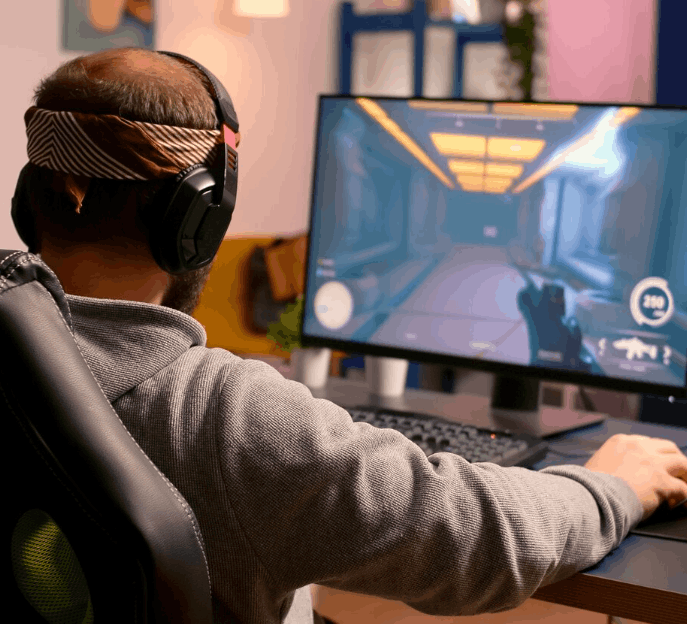
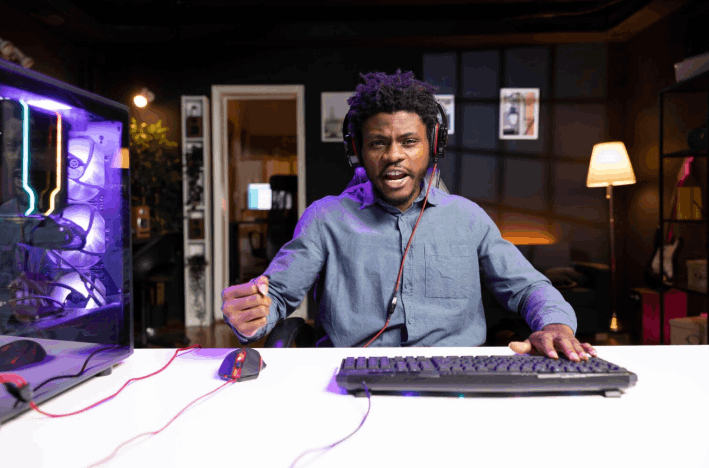
The Schism of Self: How a Single Player Adopts Radically Different Personalities in PvP and PvE

This article examines the fascinating phenomenon of individual players exhibiting starkly different play styles and social personas depending on the game mode. We will analyze the psychological shift from a helpful, patient ally in a raid to a ruthless, opportunistic rival in a battleground. The focus will be on the underlying motivations and environmental cues that trigger these switches in player interactions and self-presentation within the same game world.
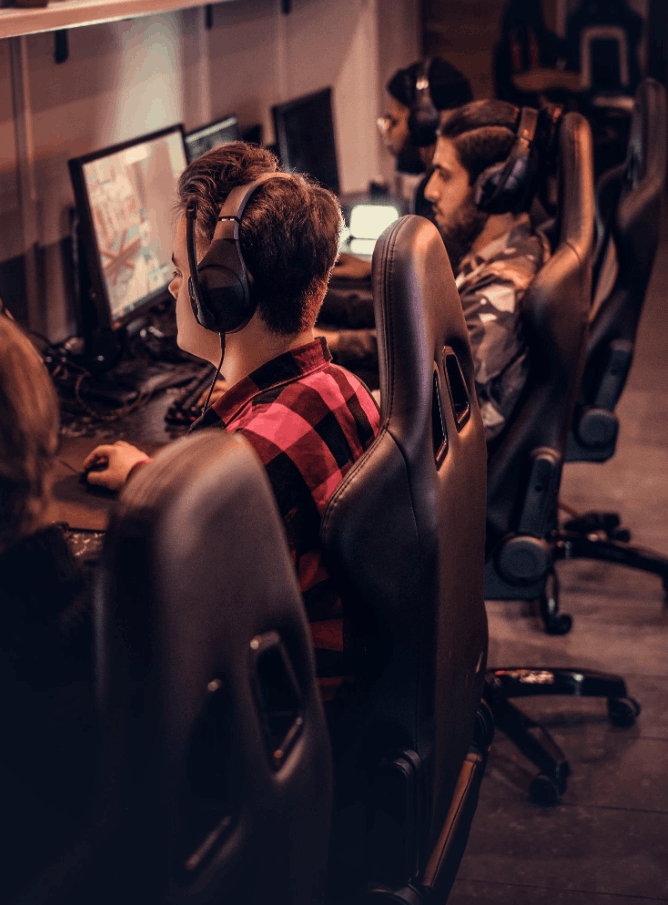

What is PvP and PvE?

PvE, or Player versus Environment, represents the foundational cooperative pillar of multiplayer games, where players unite to overcome challenges posed by computer-controlled opponents and game systems. This mode fundamentally encourages cooperative behavior and teamplay behavior, as success is measured against a predictable, if difficult, external obstacle. The social environment in PvE is typically built around support, strategy sharing, and collective goal achievement, fostering a sense of comfort in PvE and shared purpose among participants who align against a common foe.

Conversely, PvP, or Player versus Player, is the domain of competitive gameplay, where the primary adversaries are other human players, introducing a layer of profound unpredictability and psychological complexity. This mode directly engages PvP vs. PvE psychology by shifting the threat from a programmed entity to an intelligent, adaptive human mind, which inherently raises the stakes and emotional intensity. The core experience revolves around outthinking and outmaneuvering opponents, which can directly lead to heightened stress in PvP and manifest as aggression in online games, as players project competitive drives onto their human rivals.

The distinction creates a fundamental rift in player interactions and community formation. PvE activities often build persistent, trust-based groups like guilds or static raid teams, centered on reliability and cooperative behavior. PvP, while also team-based, often prioritizes individual skill, opportunistic tactics, and transient alliances, where players and social dynamics are more fluid and can be more volatile. This core difference in opposition—algorithmic versus human—generates the entire ecosystem of different play styles, social norms, and emotional experiences that define these two pillars of online gaming.

Key Behavioral Differences in PvP and PvE

Risk Assessment and Trust

In PvE, risk assessment is based on known enemy mechanics, fostering trust in teammates to execute a learned plan. In PvP, risk is dynamic and human, breeding inherent suspicion and forcing players to anticipate deception, fundamentally altering teamplay behavior and social trust.

Communication and Information Sharing

PvE communication is often open, strategic, and focused on teaching, reinforcing cooperative behavior. PvP communication becomes guarded, tactical, and often minimal to avoid giving advantage to opponents, reflecting the stress in PvP and a shift towards secrecy.

Goal Orientation and Success Metrics

Success in PvE is a binary group achievement against the environment (boss defeat, quest completion). Success in competitive gameplay is zero-sum, measured directly against the failure of other players, which fuels a different kind of motivation and can encourage aggression in online games.

Our Mission

Our mission is to illuminate the profound psychological divide between competitive gameplay and cooperative behavior, providing players with a framework to understand their own reactions and interactions. We analyze the triggers for stress in PvP and the sources of comfort in PvE to foster greater self-awareness and empathy within gaming communities. By dissecting PvP vs. PvE psychology, we aim to reduce toxic aggression in online games and highlight the value of different play styles.

We are committed to creating a researched-based resource that elevates the conversation around player interactions and teamplay behavior. We believe that understanding the underlying drivers of players and social dynamics in these modes can lead to more positive experiences, better-designed games, and more effective community management. Our work serves as a bridge, helping dedicated PvE players comprehend the PvP mindset and vice-versa, promoting mutual respect across the playstyle spectrum.

Ultimately, our mission is to empower players with knowledge. By exploring how game design shapes aggression in online games or fosters cooperative behavior, we give our readers the tools to navigate virtual worlds more mindfully. We advocate for game designs that thoughtfully channel competitive drives and nurture cooperative instincts, supporting the creation of online spaces where player interactions are enriching, regardless of the chosen mode of play.

Statistics

72

A significant study found that 72 percent of reported incidents of severe verbal aggression in online games occurred within competitive gameplay PvP modes rather than cooperative PvE environments.

3.5

Research indicates that the average heart rate increase during intense PvP vs. PvE psychology scenarios is 3.5 times higher in PvP engagements, directly quantifying the physiological stress in PvP.

68

Approximately 68 percent of players who primarily engage in PvE content cite the predictable comfort in PvE and the focus on teamplay behavior as their main reasons for avoiding player-versus-player conflict.

41

Surveys show that 41 percent of gamers consciously adopt different play styles and social personas when switching between PvP and PvE activities, highlighting a clear behavioral segmentation.

About Us

JEP's Graveservice was founded by a team of behavioral researchers, veteran game designers, and passionate players who were fascinated by the starkly different cultures emerging from PvP and PvE game modes. We observed that discussions around player behavior often lacked a psychological framework, reducing conflicts to simple labels like "toxic" or "elitist" without understanding the root causes in PvP vs. PvE psychology. Our goal is to fill that gap with rigorous, accessible analysis that explores the why behind the how players act, focusing on aggression in online games, cooperative behavior, and everything in between.

Our content is built on a synthesis of academic research, firsthand ethnographic observation within gaming communities, and deconstructive analysis of game mechanics. We believe that to truly understand player interactions and teamplay behavior, one must both study the theory and immerse in the practice. Our writers and analysts are active participants in the ecosystems they examine, from high-level raiding to competitive esports ladders, ensuring our insights are grounded in the real-world experiences and players and social dynamics we describe. This commitment to authenticity is the cornerstone of our credibility.

We operate as an independent platform, free from commercial influence, allowing us to explore sensitive topics like stress in PvP and the drivers of different play styles with objectivity. JEP's Graveservice is more than a blog; it is a resource for anyone seeking to better understand the complex social world of online games—whether you are a player looking to improve your cooperative behavior, a community manager tackling aggression in online games, or simply curious about the human mind at play. We are here to map the invisible rules that govern our digital interactions.

Reader Testimonials

Lena Petrova

"This blog provided the precise language I needed to explain my gaming preferences. The article on the 'comfort in PvE' perfectly articulated why I find raiding relaxing despite its difficulty, while the analysis of stress in PvP helped me understand my anxiety in those modes. It's validating to see these experiences analyzed with such depth and respect, rather than being dismissed as a simple skill issue."

David Park

"As an esports coach, understanding PvP vs. PvE psychology is crucial for team management. The breakdown of aggression in online games and how it channels from competitive gameplay pressure was insightful for refining our communication protocols. Your analysis of player interactions under stress has become recommended reading for our new team members to foster better teamplay behavior."

Carlos Mendez

"I've always switched between hardcore PvP and casual PvE, feeling like a different person in each. The article on adopting different play styles was a revelation—it made me realize this is a common, strategic psychological shift, not me being inconsistent. Your work has helped me navigate players and social dynamics more consciously and improved my experience in both worlds."

Frequently Asked Questions

Neither playstyle is inherently healthier; the impact depends on the individual's psychology and relationship with the game. PvE can offer comfort in PvE and foster positive cooperative behavior, but it can also lead to unhealthy avoidance of challenge or burnout from repetitive grinding. PvP provides intense stimulation and can teach resilience, but it also carries higher risks of stress in PvP and exposure to aggression in online games. Health is determined by balance, self-awareness, and the ability to engage in a way that aligns with one's personal well-being.

This shift is often a product of the environment and PvP vs. PvE psychology. Competitive gameplay creates a high-stakes, zero-sum environment where mistakes by teammates are perceived as directly causing personal loss and frustration. This stress in PvP, combined with the anonymity of online interaction, can lower inhibitions and trigger aggression in online games. The same player in a PvE setting, focused on cooperative behavior against a common AI foe, does not face the same perceived threat from allies, allowing for more patience and supportive teamplay behavior.

Absolutely. Understanding PvP vs. PvE psychology can dramatically improve your performance and social experience. In PvE, knowledge of cooperative behavior and teamplay behavior dynamics helps you communicate better, manage group morale, and execute strategies smoothly. In PvP, understanding the sources of stress in PvP and typical player interactions allows you to manage your own tilt, predict opponent behavior (including aggression in online games), and maintain strategic clarity under pressure, turning psychological insight into a competitive advantage.

Developers deliberately craft mechanics and rewards to channel players and social dynamics toward desired behaviors. For PvE, they design systems that reward cooperative behavior, clear role definition, and persistence, creating a sense of comfort in PvE through predictable rules. For PvP, they build systems that reward individual skill, adaptability, and tactical decision-making inherent to competitive gameplay, while implementing tools like matchmaking and reporting to manage the inevitable aggression in online games. Recognizing these design intentions helps players navigate each system's implicit rules.

It is completely normal and reflects natural preferences in different play styles. Enjoying PvE often correlates with a preference for mastery, collection, narrative, and low-conflict social player interactions centered on teamplay behavior. Enjoying PvP often correlates with a preference for challenge, rivalry, high arousal, and the dynamic stress in PvP that comes from human opposition. These preferences are shaped by personality, gaming background, and what one seeks from a leisure activity. There is no obligation to enjoy both; the gaming landscape offers rich experiences tailored to each preference.

Share Your Behavioral Insights

Have you observed a fascinating example of PvP vs. PvE psychology in action? Want to suggest a topic about aggression in online games or cooperative behavior? We value your experiences and questions. Submit your thoughts through the form below to contribute to our research.

Address

Stestrupvej 144
4360
Kirke Eskilstrup

© JEP's Graveservice 2026 - All Rights Reserved